

Umami is one of the five basic tastes, alongside sweet, salty, sour, and bitter. It describes a savory quality that gives food depth and a sense of completeness rather than sharpness or brightness.
Most cooks encounter umami daily, even if they never name it. It appears in soups, sauces, roasted foods, and slow-cooked dishes, shaping how satisfying food feels rather than how intense it tastes.
Because umami often works quietly, it’s easy to misdiagnose its absence. When food tastes flat or thin, the instinct is often to add more salt or fat. Understanding umami gives cooks a more accurate way to evaluate flavor and make better adjustments.
What Umami Is (and Isn’t)
Umami is a basic taste defined by savory, mouth-filling richness. It is perceived through specific taste receptors and experienced as a lingering, rounded sensation on the palate rather than an immediate hit of flavor.
This taste is primarily triggered by naturally occurring glutamates, along with certain nucleotides that become more pronounced through cooking, aging, or fermentation. These compounds exist naturally in many foods and are not inherently additives or seasonings.
Umami is not the same as saltiness. Salt heightens and sharpens flavors, while umami adds depth and structure. A dish can be high in umami without tasting salty, and salty food can still feel flat if umami is missing.
Umami is also not a synonym for “strong,” “heavy,” or “overseasoned.” When balanced, it supports other flavors without drawing attention to itself. Problems arise only when umami is layered without restraint, dulling contrast rather than enhancing it.
Why This Matters in Cooking
Flavor:
Umami contributes depth and roundness, giving food a sense of completeness rather than intensity. Dishes with sufficient umami tend to taste finished and satisfying, even when they are simply prepared. Without it, flavors can feel thin or short-lived, fading quickly after the first bite.
Balance:
Umami acts as a stabilizing element among the other tastes. It helps the sweet, salty, and acidic components feel connected rather than competing for attention. When umami is present, flavors tend to sit together more comfortably on the palate, reducing the need to push any single taste too far.
Seasoning control:
Recognizing umami helps cooks avoid the common habit of over-salting. When food tastes flat, the issue is often a lack of depth rather than a lack of salt. Understanding this distinction allows cooks to pause, reassess, and adjust intentionally rather than blindly layering seasoning.
Confidence:
Cooks who understand umami gain a clearer diagnostic tool. Instead of guessing why a dish feels incomplete, they can identify whether it lacks structure, balance, or depth. This leads to calmer decision-making and more consistent results, especially when cooking without a recipe.
How It’s Used in Real Recipes
Umami appears naturally in many recipes through time, transformation, and ingredient choice rather than through deliberate seasoning. In broths, stocks, and long-simmered dishes, umami develops as ingredients release and concentrate their naturally occurring savory compounds. The result is a base that feels fuller and more cohesive, even before any final seasoning adjustments are made.
Aged, fermented, and cured foods are another common source of umami in everyday cooking. Processes such as aging and fermentation deepen flavor by making savory compounds more accessible, which is why these ingredients are often used in small amounts to reinforce depth rather than to dominate a dish.
Umami also emerges through dry heat and slow cooking, particularly with vegetables and roasted ingredients. As moisture evaporates and natural flavors concentrate, vegetables take on a deeper, more savory character that supports sauces, soups, and composed dishes without needing meat.
Across recipe categories, umami plays a central role in:
- Soups and stews, where it gives body and staying power to the flavor
- Sauces and pan reductions, where it provides structure and continuity
- Vegetarian and plant-forward dishes, where it replaces the depth traditionally supplied by meat
The goal in recognizing umami in recipes is not to replicate techniques, but to notice patterns. When a dish tastes satisfying and complete without being heavy or salty, umami is usually contributing quietly in the background.
How to Apply It at Home
Applying an understanding of umami at home starts with observation, not action. The goal is to recognize when umami is present, when it is missing, and how that absence affects the overall structure of a dish.
What to watch for:
When umami is present, flavors tend to linger gently after tasting rather than dropping off abruptly. There is often a sense of fullness or cohesion that makes the dish feel complete, even if the individual flavors are subtle. When this quality is missing, food may taste correct at first bite but feel unfinished moments later.
Sensory cues:
Umami often shows up in mouthfeel as much as taste. The sensation is rounded and supportive rather than sharp or piercing. Aromas may suggest richness or depth before the food ever reaches the mouth, signaling that the dish will feel satisfying rather than thin.
Decision-making signals:
A common signal is when food tastes flat even though salt levels seem correct. Another is when acidity or sweetness stands out on its own instead of feeling integrated into the dish. These moments indicate a structural gap rather than a seasoning error.
How to respond:
Instead of reaching for more salt or seasoning right away, pause and reassess. Ask whether the dish is missing depth rather than intensity. Framing the problem this way helps you make thoughtful adjustments, preserving balance and avoiding overseasoning.
Common Mistakes & Misconceptions
| Often Confused As | What It Actually Does | Why It Matters |
|---|---|---|
| Saltiness | Enhances sharpness | Can lead to over-salting |
| Umami | Adds depth and fullness | Improves structure without intensity |
| Strong flavor | Increases intensity | Can mask balance issues |
When to Break the Rule
While umami adds depth and satisfaction to many dishes, there are times when restraint yields better results. Not every dish benefits from added richness, and understanding when to hold back is part of developing good judgment.
In light, refreshing preparations, the goal is often clarity rather than fullness. Dishes that emphasize acidity or bitterness rely on brightness and contrast to feel refreshing. In these cases, pronounced umami can soften edges that are meant to stay sharp, making the dish feel heavier than intended.
Some foods are designed to feel clean and direct rather than rich. When the desired experience is simplicity, subtlety, or refreshment, minimizing umami allows individual flavors to remain distinct and focused. This is not about eliminating umami, but about preventing it from becoming the dominant structural element.
Breaking the rule is therefore an intentional choice, not an omission. Knowing when to restrain umami reflects control and purpose, allowing the dish’s character to dictate balance rather than default habits.
Quick Takeaways
- Umami is a taste, not an ingredient or seasoning. The palate senses it in the same way as sweet or salty and should be understood as a flavor signal, not something you “add” on its own.
- It creates depth and completeness in food. Umami gives dishes a rounded, satisfying quality that helps flavors linger and feel finished rather than sharp or fleeting.
- Recognizing umami helps prevent over-salting. When food tastes flat, the issue is often a lack of depth, not a lack of salt. Identifying this distinction leads to more accurate adjustments.
- Many everyday foods already contain it naturally. Cooking methods like roasting, simmering, and aging bring out umami without requiring special ingredients or techniques.
- Awareness improves flavor judgment, not just flavor strength. Understanding umami helps cooks evaluate balance and structure, leading to calmer decisions and more consistent results.
FAQs
Is umami the same as MSG?
No. Umami is a taste sensation, and MSG is one substance that can trigger it. Umami occurs naturally in many foods, whether or not MSG is added.
Can vegetarian dishes have strong umami?
Yes. Many plant-based ingredients naturally develop or contain umami, especially when cooked, aged, or fermented. Vegetarian and vegan dishes often rely on umami to create depth and satisfaction without meat.
Why does food sometimes taste flat even when it’s seasoned?
Flatness usually points to a lack of depth rather than a lack of salt. When umami is missing, seasoning alone cannot create structure, and flavors may taste correct but incomplete.
Can too much umami be a problem?
Yes. Excessive umami can dull contrast and make flavors feel muddy or monotonous. Balance matters; umami should support other tastes, not overwhelm them.
Does umami replace the need for salt?
No. Umami and salt play different roles. Umami adds depth and roundness, while salt sharpens and enhances flavors. Most dishes benefit from both when used thoughtfully.
Why is umami harder to identify than other tastes?
Unlike sweetness or acidity, umami doesn’t announce itself sharply. It works subtly, shaping how flavors linger and connect, making it harder to name but easier to feel.
Is umami something I should always aim for?
Not always. Some dishes are meant to feel light, bright, or clean. Knowing when to emphasize umami—and when to restrain it—is part of developing good cooking judgment.
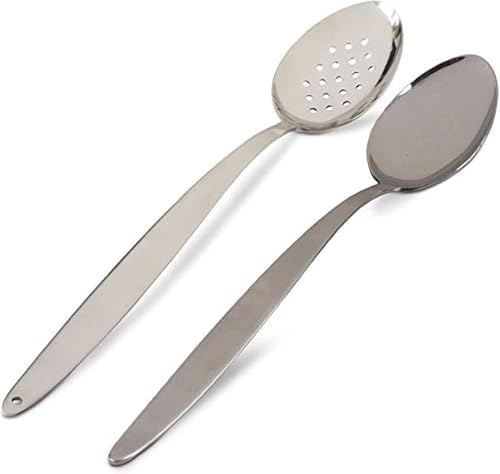
- Excellent durability: Kunz Large Serving Spoon good for large buffet type catering. Length of 12 inch and 2.56 inch widt…
- Excellent design: Big Serving Spoons with Elegant and Classic Flat Matt finished Handle Design, comfortable grip, withou…
- Multi-purpose Use: BNAZIND Chef Kunz spoons are Ideal for Serving, Plating, Saucing, Basting, Scooping, Drizzling, Quene…
Final Thoughts
Understanding umami sharpens your ability to taste and evaluate food. It gives you a clearer framework for recognizing depth, balance, and structure rather than relying on trial and error. When you can identify umami, you make adjustments with purpose instead of habit.
Better cooking decisions come from recognition, not from adding more ingredients. Knowing when food needs depth—and when it doesn’t—helps you maintain balance, avoid over-seasoning, and cook with greater consistency and confidence.
Explore related Kitchen Know How articles to deepen your technique and cook with clearer control.
Kitchen Know How is written and curated by Cem Berkoz.